Training structure using the example of a pyramid
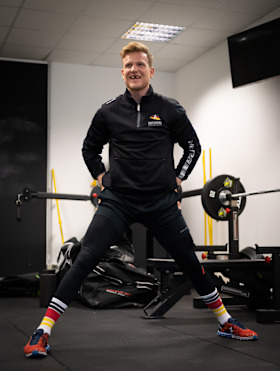
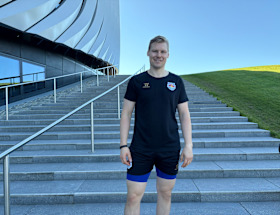
Oblinger has been responsible for the Rookie Bulls' U13 age groups for several weeks now, but mainly for the U17 and U20 teams. “I want to work with the players to make them faster, stronger, and more resilient on the ice than others. But that takes time to build up,” says the Augsburg native. He explains the structure using the example of a pyramid. “The better the foundation and the broader the base, the higher you can climb.”
What does he mean by that? Oblinger explains: “In the U13s, you learn movement patterns and how to train and improve progressively; in the U17s, you want to compete (measure yourself against others); and in the U20s, you want to win. That's how you start to build up your training.”
Goal: Munich talents from the Rookie Bulls to the DEL
The entire Munich youth development concept in the area of athletics is designed to be consistent from the first day to the last. “We want to build performance and the requirements profile of a DEL player in a sustainable way. Because our goal for the future is for young players to make their way from the Rookie Bulls to the DEL,” Oblinger explains. He wants to help make that happen.
Agility, stability, strength, and endurance
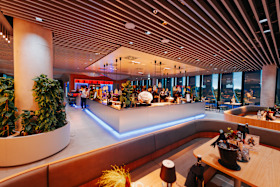
To this end, the athletic coach is on site from Monday to Friday from noon onwards to work with the different age groups. “When the boys come home from school, I get started. The facilities here at SAP Garden are simply incredible,” he enthuses. “We spend most of our time in the weight room, but we can also use the Olympic Park. It depends on where the focus lies. Most of the time, however, we spend one to one and a half hours in the gym, and longer in the summer, of course.” Because that's when hockey players are made, as they say.